
Digital Twin for Executives: Speaking Anywhere with AI, Without Being There
Tipologia: Digital Twin - Video AI
A CEO has very little time and many occasions where they are expected to speak: conventions, foreign branches, new hires, partners, trade shows. A digital twin solves this contradiction. It is created once, even remotely, and from that moment on every new video only requires a text.
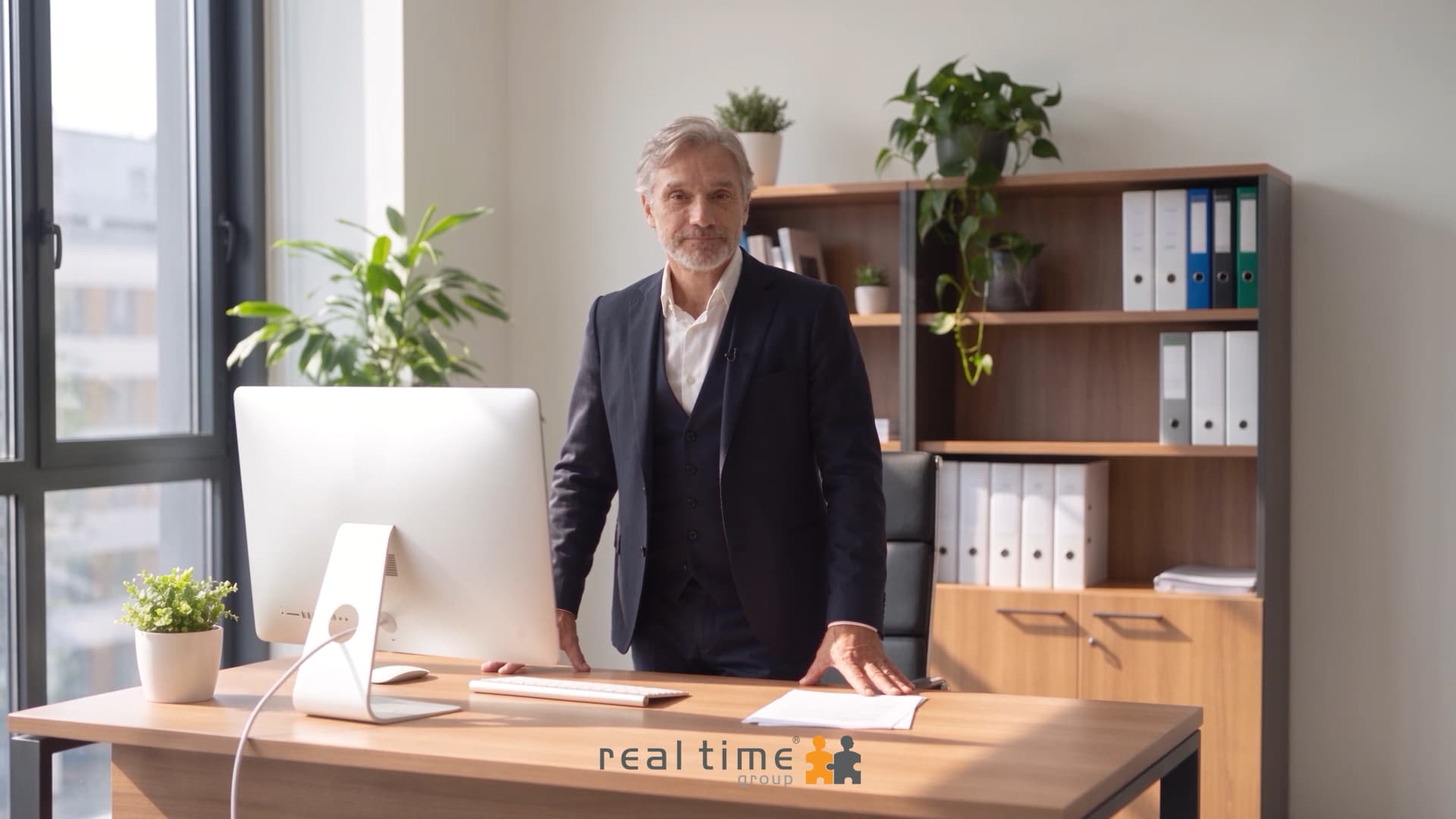
Video entirely generated with artificial intelligence. The person represented has given written consent for the use of their image and voice.
In the video above, the CEO of a Swiss company explains in the first person how he uses his own digital twin. Everything you see and hear — the face, the voice, the environments, the languages — is generated. He did not shoot anything.
Original footage and AI-generated reconstruction, side by side.
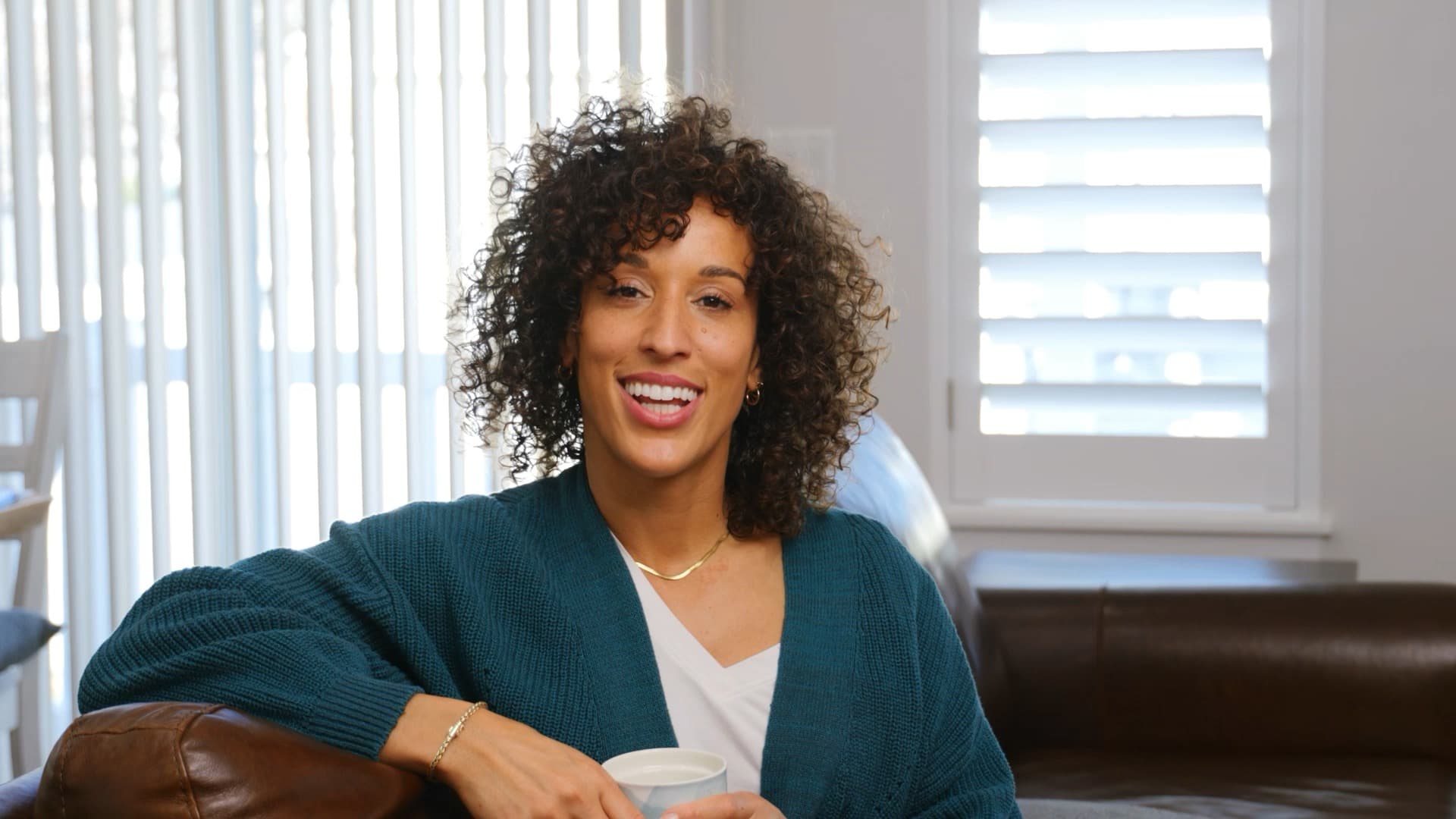
Real Footage
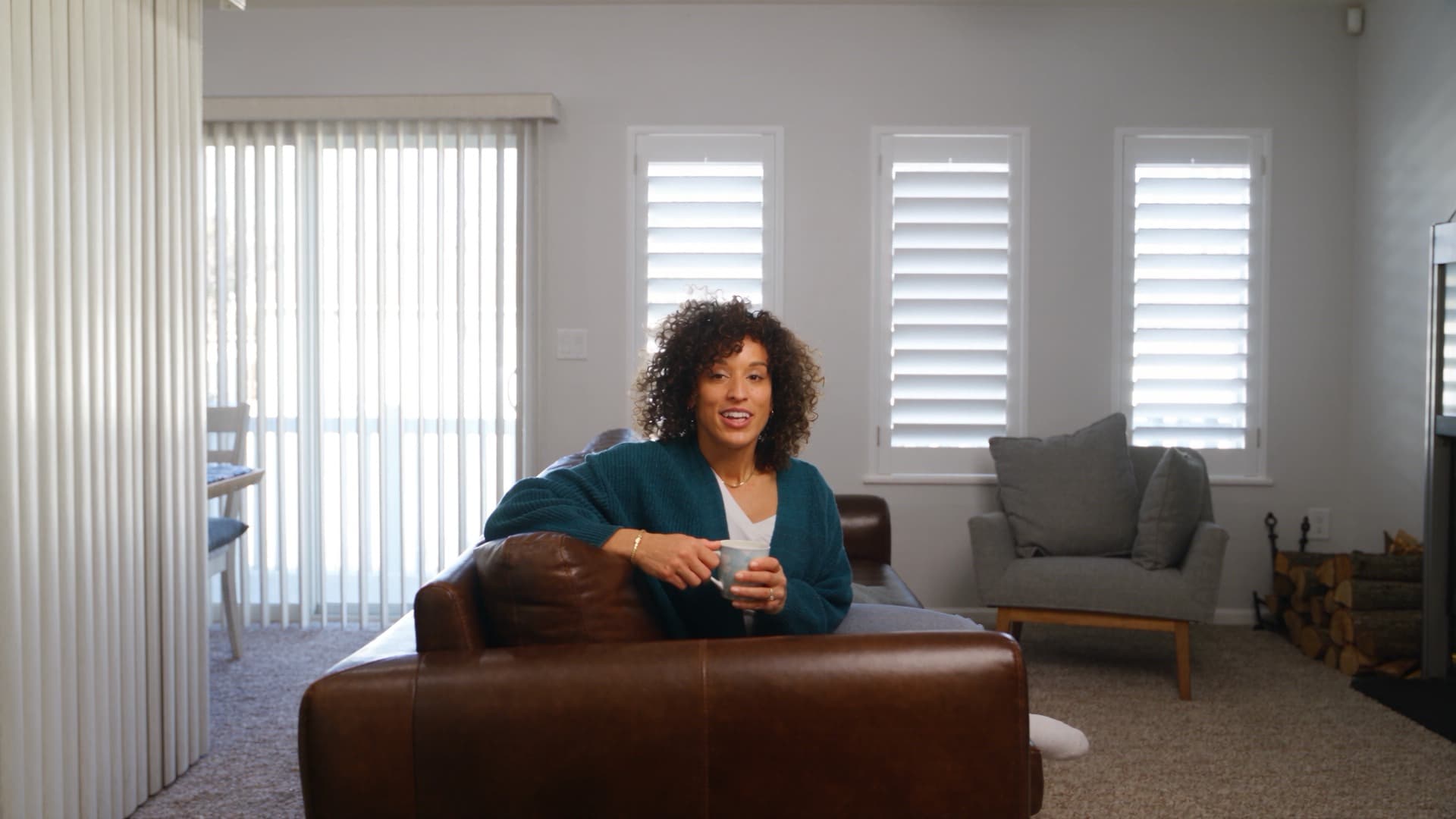
AI Reconstruction
Every video involving an executive follows the same sequence: finding a date, blocking two hours in the calendar, reaching the set, waiting for the lights, repeating the line. All of this for just a few minutes of finished video.
The real cost of that video is not the production. It is the time of the busiest person in the company. And when the calendar does not open up, the video simply does not happen: the convention opens without a message from the top, the branch receives an email instead of a video message, new hires never see the face of the person leading the company.
To create a digital twin, two things are needed: a sequence of images of the person and a recording of their voice. Both can be produced remotely, following the instructions we provide, without studio sessions and without travel.
The digital twin you see in the video was created without us ever meeting in person. For an executive who cannot find two hours for a shoot, this is the difference between doing it and not doing it.
From those materials, we build the face model and the voice. The digital twin is archived and remains available whenever needed.
The executive writes the text, sends it to us, and receives the video. No new filming is required, their presence is not needed, and no date has to be agreed.
The digital twin always remains the same: same face, same voice, same way of speaking, whether the video is produced today or two years from now. This stability is what makes it possible to build continuous communication instead of a series of isolated episodes.
The text can be sent in the required language, even in languages the executive does not speak. This is not an overdub: the video preserves the tone of their voice, and the movement of the lips is reconstructed according to the phonetics of the language being spoken.
Traditional dubbing always leaves a gap between what the eye reads on the mouth and what the ear hears, and the viewer perceives it even if they cannot explain why. Here, that gap disappears. For a group with offices abroad, this means that every branch receives a message in its own language, delivered directly by the company’s leadership. Not a translation: a message.
On a stage in front of an audience while they are in a board meeting. Inside a production plant while they are abroad. On top of Mount Everest, if that helps tell the story.
The subject is integrated into the environment with coherent lighting and perspective. This is compositing work, the same kind we do on traditional footage, and it is the step that determines whether the result is believable. When the video needs to show the company, the environment can be built using real footage of your offices and departments.
Conventions and events.
The opening speech, a greeting at a congress, a message for a trade show the executive cannot attend.
Recurring internal communication.
Quarterly updates to the whole organization. The executive in our video used to do them once a year because he did not have time: the digital twin did not replace an existing video, it made possible a form of communication that did not exist before.
Onboarding
A welcome message for new hires, delivered by the face of the person leading the company.
Training.
Introductions to training courses, which can be updated by rewriting only the paragraph that changes when a procedure changes, instead of producing the video again.
Multilingual institutional messages.
End-of-year greetings in four languages, at the cost of the time needed to write them.
Whenever a company needs to share information, this format can be used: a product update, a regulatory change, an achievement, an industry insight, a customer communication. The information arrives in video form, presented by the face of the person leading the company or by the expert who knows it best.
The video blog is the clearest example. It is the format that depends most on continuity — frequent content, always with the same face — and it is precisely that frequency that an executive cannot sustain with traditional shoots. With a digital twin, the article text becomes the script: every blog article can have its own video version, without organizing a shoot every time.
Published together with its transcript, a video blog works on two fronts: the video gives the information a face and a voice, while the text remains readable by search engines.
“My face is mine. The time it gives back to me is what interested me.”
A digital twin represents a real person, and this requires precise rules. We apply all of them on every project.
- Written and specific consent.
The release form establishes for which content, on which channels, for how long and within which limits the person’s image and voice may be used. Since 10 October 2025, Article 612-quater of the Italian Criminal Code punishes the dissemination, without consent, of content falsified with artificial intelligence. - Approval before every video.
No video is delivered without the represented person having seen and approved it. - Labelling.
From 2 August 2026, Article 50 of the AI Act requires the artificial nature of content representing real people to be clearly disclosed. We deliver every video with the appropriate labelling for the publication channel. - Revocation.
The release form defines from the beginning what happens to the digital twin and to the videos produced if consent is withdrawn or if the executive leaves the company.
Video duration.
The longer the person speaks, the more material must be generated, synchronized and checked. A one-minute greeting and a five-minute opening speech require different levels of work.
Languages.
Each additional language is a complete new version of the video: voice synthesis, lip movement reconstructed according to the phonetics of that language, and quality control. It is not just an audio track replaced over an existing video.
Environments.
Every environment in which the person speaks must be built or filmed, and then integrated with coherent lighting and perspective. A video shot entirely in their office requires less work than one that takes them from the desk to a stage, then into a production plant, then to the top of a mountain.
The digital twin is created only once: subsequent videos start from the existing model and only require the text.
A digital twin replicates a real person, with their consent: it is the right solution when that specific executive needs to speak. If, instead, you need a face owned by the company, designed from scratch for your brand and with perpetual image rights, the solution is an AI actor.
Frequently Asked Questions
It is the digital replica of a real person, built from a sequence of images of them and a recording of their voice. Once created, the digital twin makes it possible to produce new videos in which the executive speaks with their own face and voice, without new filming and without their presence: all you need to send is the text.
A project of this kind generally ranges from €2,500 to €7,000. The cost depends on three variables: the duration of the video, the number of languages in which the person will speak, and the number of environments in which they will appear.
Each additional language is a complete version, with voice and lip movement reconstructed for that language. Each additional environment must be built and integrated with coherent lighting and perspective. Once the digital twin has been created, subsequent videos only require the text and do not start from scratch.
No. The images and voice recording can be produced remotely, following the instructions we provide. The digital twin of the CEO featured in our demo video was created without us ever meeting in person.
Three things: a sequence of images of the person with uniform lighting and different face angles, a voice recording made in a quiet environment, and written consent establishing for which content, on which channels and for how long the image and voice may be used.
The executive writes the text, sends it to us and receives the video. No new filming is needed, no date has to be agreed, and their presence is not required. The digital twin remains in our archive and can be used whenever needed.
The text can be sent in the desired language, even in languages the executive does not speak. This is not an overdub: the video preserves the tone of their voice and the movement of the lips is reconstructed according to the phonetics of the spoken language. Foreign branches therefore receive a message in their own language, delivered directly by the company’s leadership.
Yes. Same face, same voice, same way of speaking, whether the video is produced today or two years from now. This is what makes it possible to build continuous communication, such as recurring updates or a training content library, with a face that remains consistent.
Wherever needed: in the executive’s office, on a stage in front of an audience, inside a production plant, or in unreachable locations such as the top of a mountain. The subject is integrated into the environment with coherent lighting and perspective, and real footage of the company’s spaces can also be used.
To open conventions and events the executive cannot attend, to send recurring updates to the whole organization, to welcome new hires, to introduce training courses by updating only the paragraph that changes, for multilingual institutional messages such as end-of-year greetings, and for corporate video blogs and any other content through which the company needs to share information.
Yes, and it is one of its most effective uses. A video blog depends on continuity: frequent content, always with the same face. And this is precisely the frequency that an executive cannot sustain with traditional filming.
With a digital twin, the article text becomes the video script, and every blog article can have its own video version without organizing a shoot. The same applies to all situations in which the company needs to share information: product news, regulatory updates, results, industry insights and customer communications.
Yes, always, and in written form. Since 10 October 2025, Article 612-quater of the Italian Criminal Code punishes with imprisonment from one to five years anyone who causes unjust harm by disseminating, without consent, images, videos or voices falsified with artificial intelligence and capable of misleading people about their authenticity.
The release form we acquire specifies content, channels, duration and limits of use.
Yes. No video is delivered without the approval of the person represented. The face and voice remain theirs, and they have the final say on what they say.
Yes. From 2 August 2026, Article 50 of the AI Act requires anyone publishing content that represents real people in a way that appears authentic to clearly disclose its artificial nature.
The obligation falls on whoever distributes the content as part of their professional activity, therefore also on the company. We deliver the videos with the appropriate labelling for the publication channel.
This is defined from the beginning in the release form, which establishes what happens to the digital twin and to the videos already produced in case of withdrawal of consent, change of role or termination of the relationship. Without written limits, withdrawal would remain an open issue.
A digital twin replicates a real person, with their consent: the rights to face and voice remain theirs and are granted within defined limits.
An AI actor, on the other hand, is a synthetic character designed from scratch for the brand, with no real person behind it, whose image rights are assigned to the company in perpetuity.
The first is needed when that specific executive has to speak; the second when the company needs a face of its own.
Shots from specific angles and poses, with the same lighting and resolution requirements, and around 10 minutes of audio recording.


QUOTE? INFORMATION?
If there is someone in your company who should speak more often than their calendar allows, write to us. We will explain what is needed and how to collect the materials remotely, without taking more than a few minutes of their time.