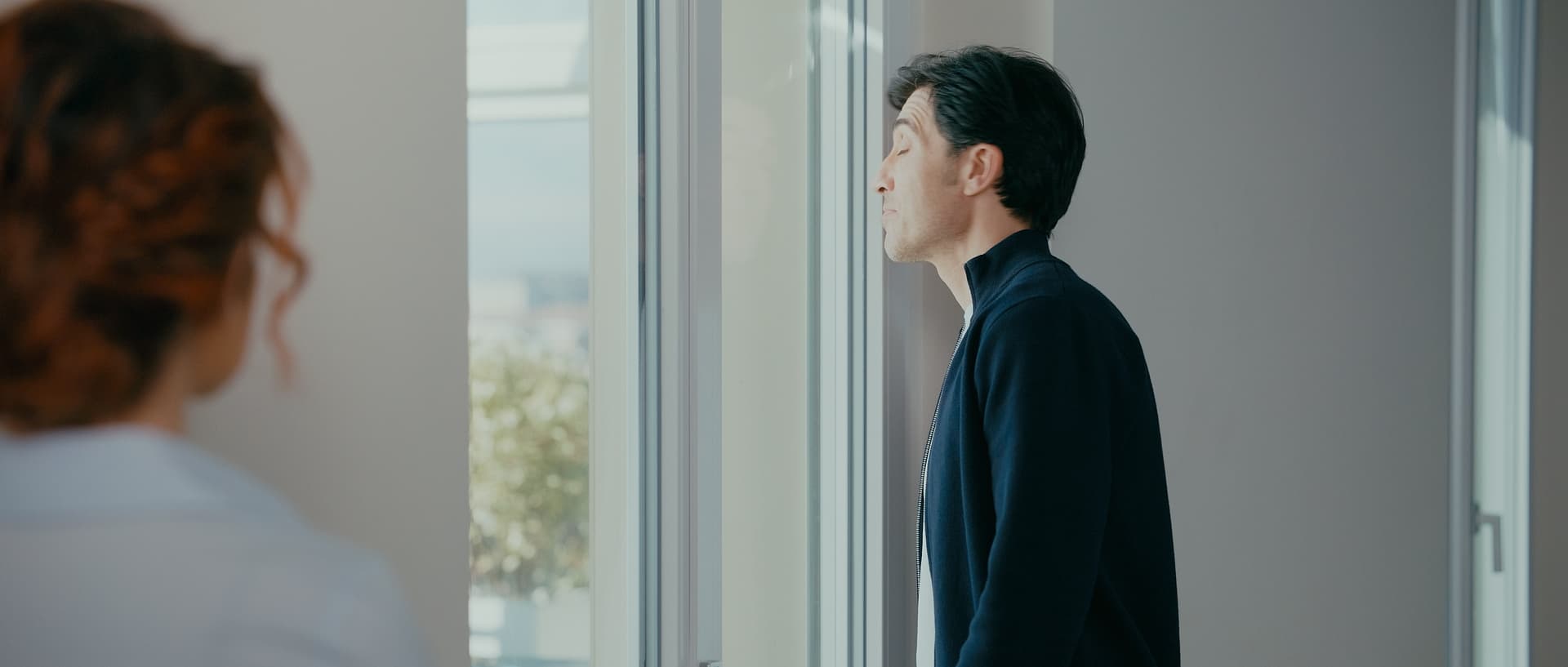
Professional TV Commercial Production – Real Time
A TV commercial is a short video designed to persuade viewers, rather than simply inform them. Its goal is to influence the audience to adopt a specific behavior-whether that’s purchasing a product, choosing a service, or supporting a cause.
Companies of all sizes, from small businesses to global corporations, rely on TV commercials to drive interest and sales. But commercials are also powerful tools for raising awareness about social and environmental issues, or in the political arena, for persuading voters in favor of a candidate, party, or referendum.
Realtime Group has been producing impactful commercials for over twenty years, always tailoring costs to the client’s budget. Thanks to our creative approach, many of our campaigns have stayed in the minds of viewers, delivering high conversion rates for our clients.
Investing in a TV commercial benefits the entire communication ecosystem of a brand: beyond television, the same video can be repurposed for social media and other corporate marketing channels.
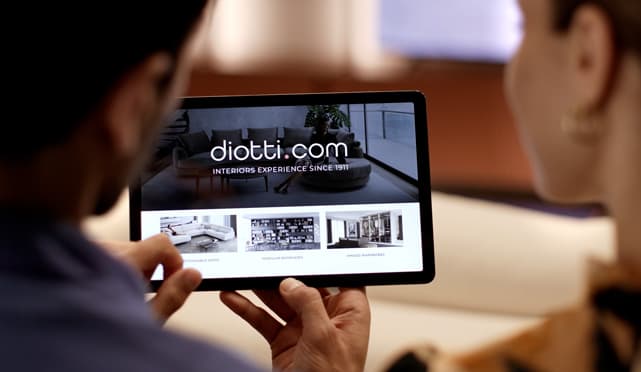
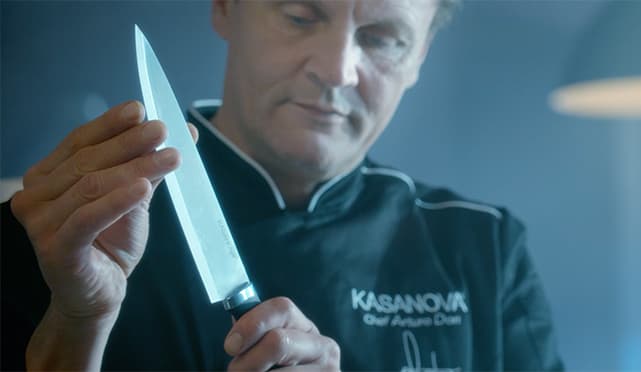
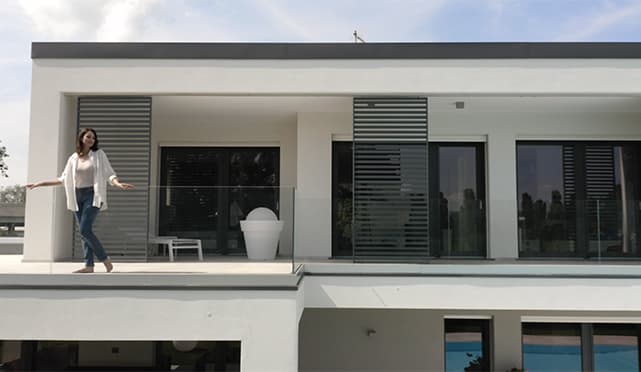
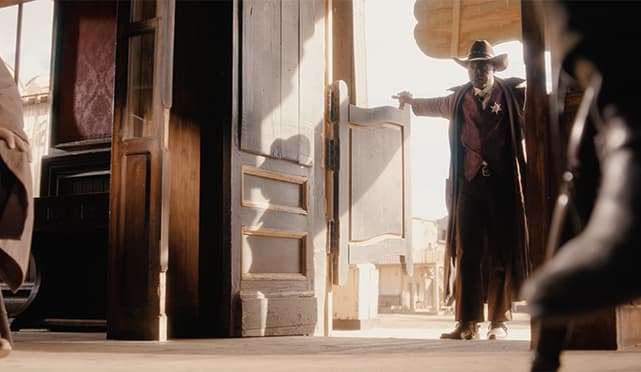
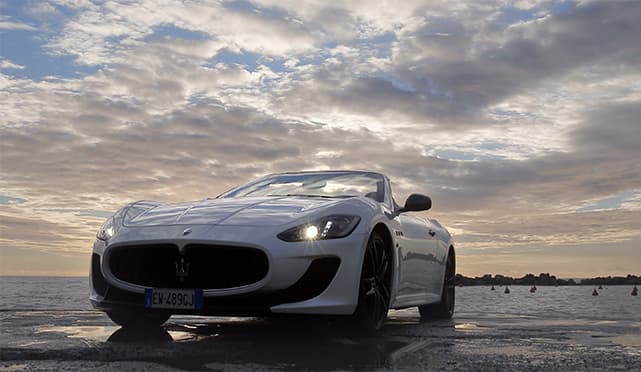
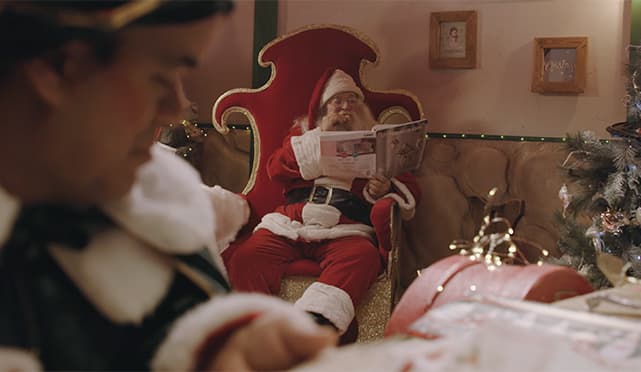
Some of the brands that have chosen us:
Maserati, Mapei, Warner Bros, Kasanova, Oknoplast, Cavicchioli Vini, Europrodotti.
Different experiences, one common thread: the ability to create content that makes brands memorable and strengthens their bond with the audience.

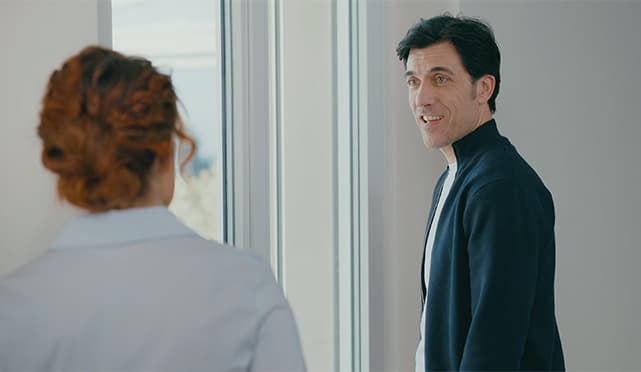
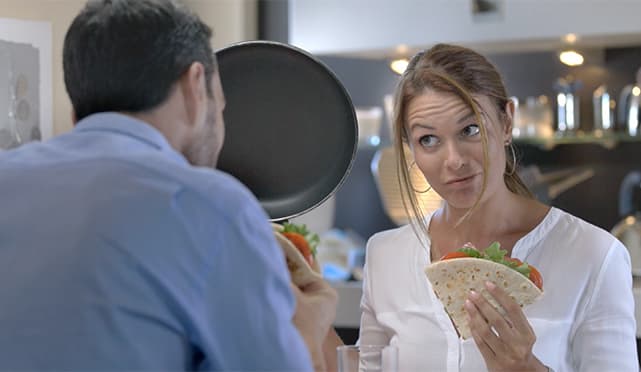
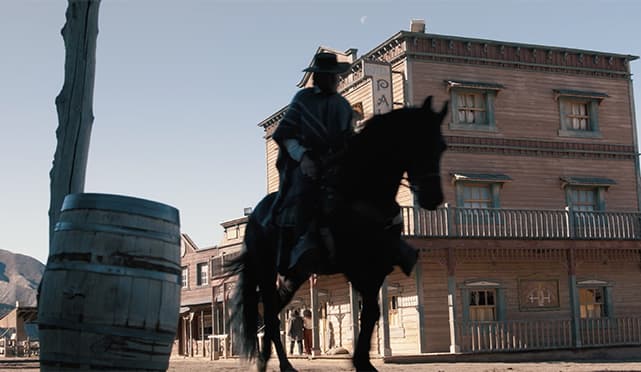
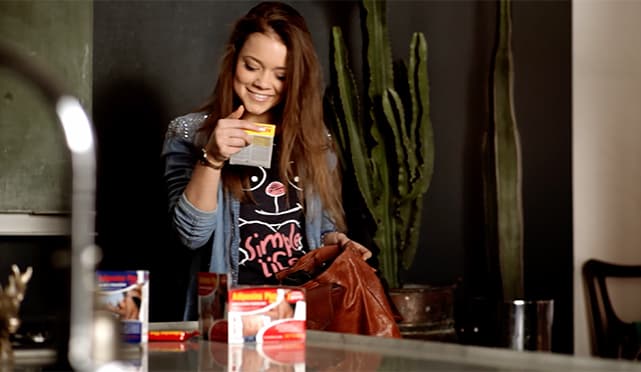

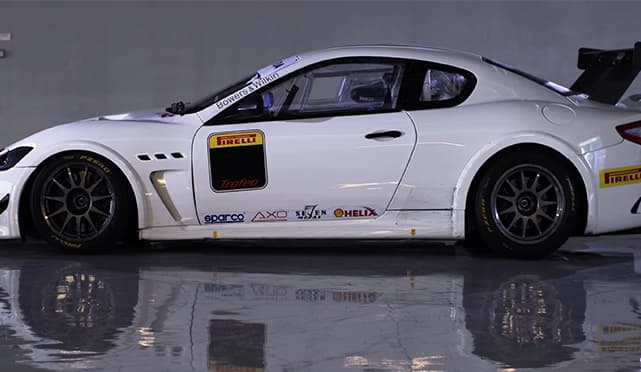
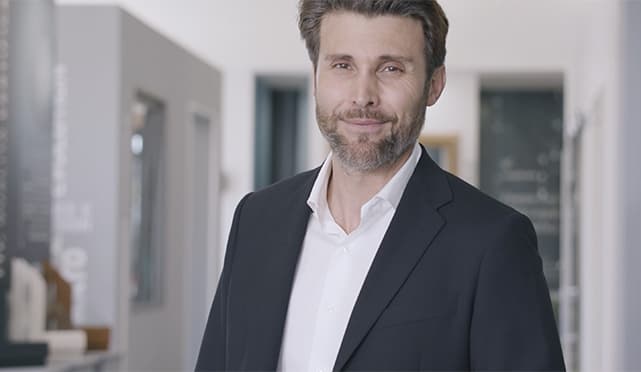

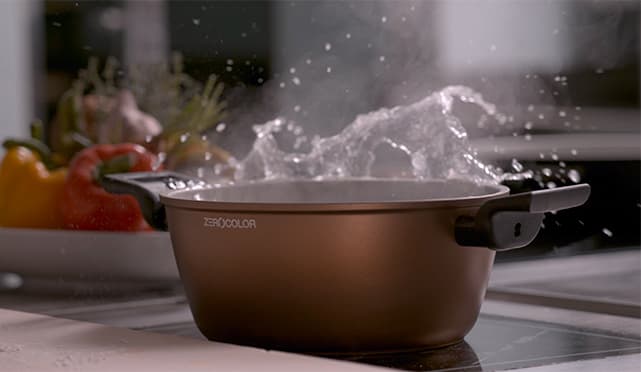
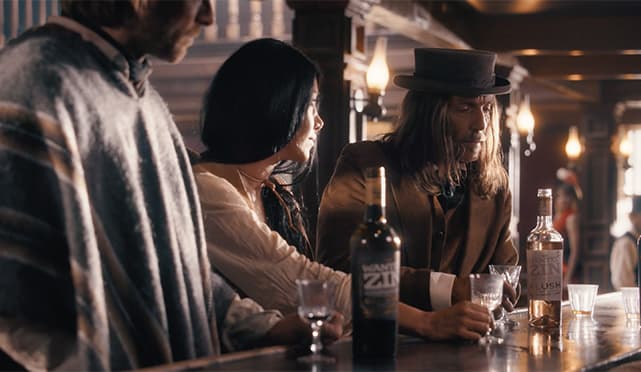




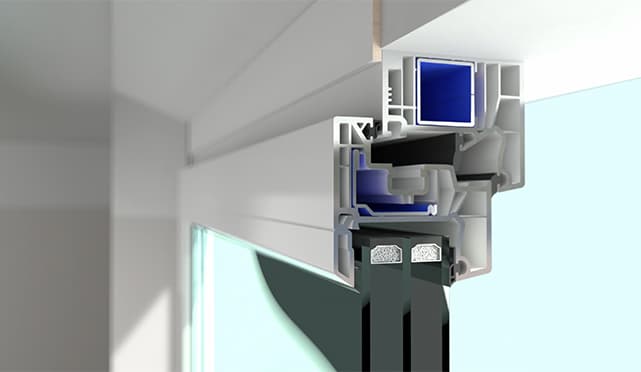
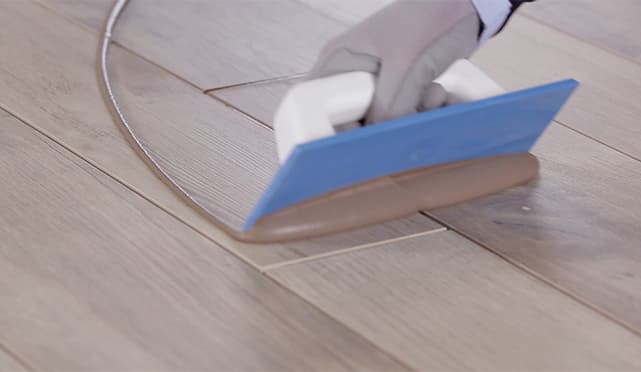
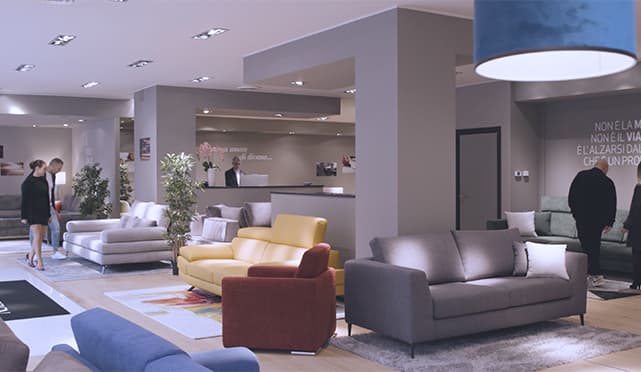
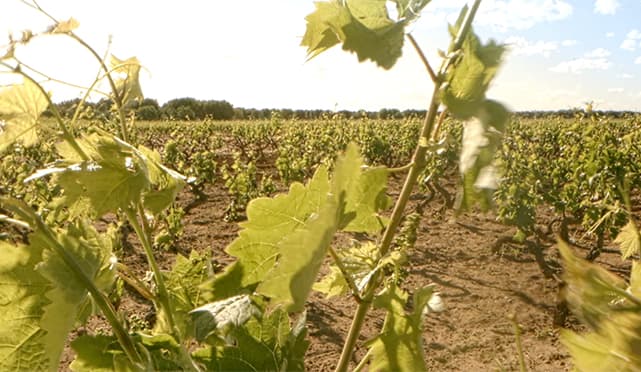

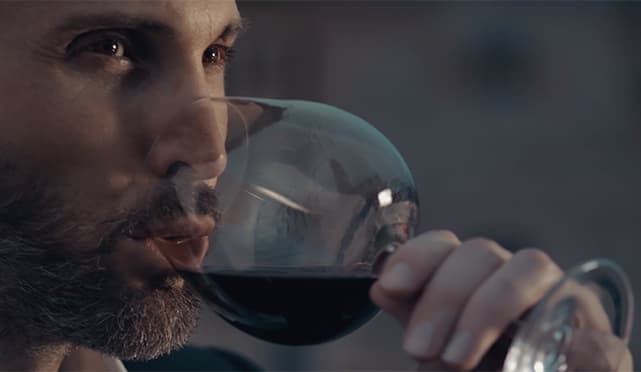
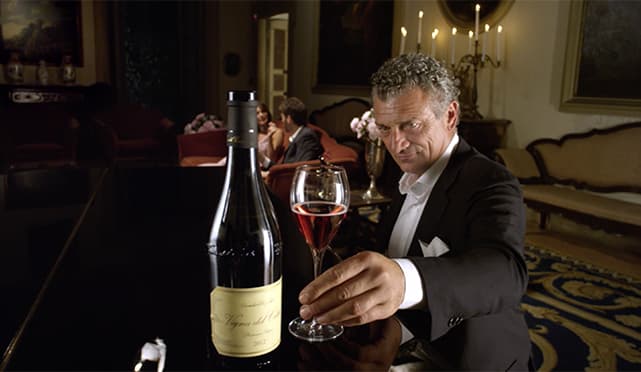
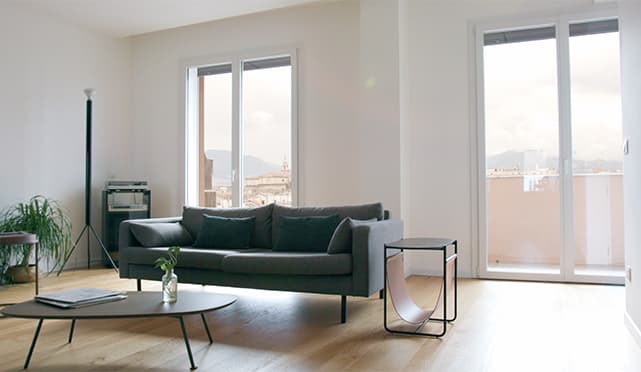


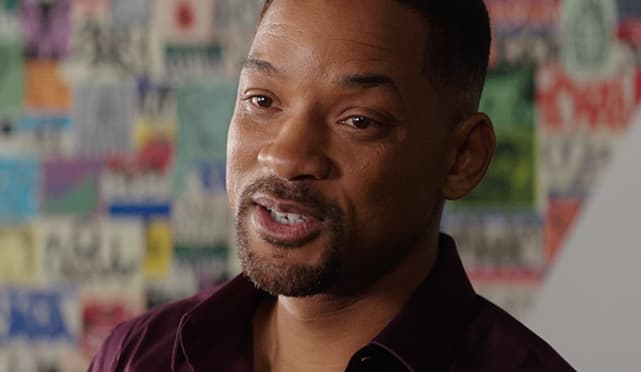
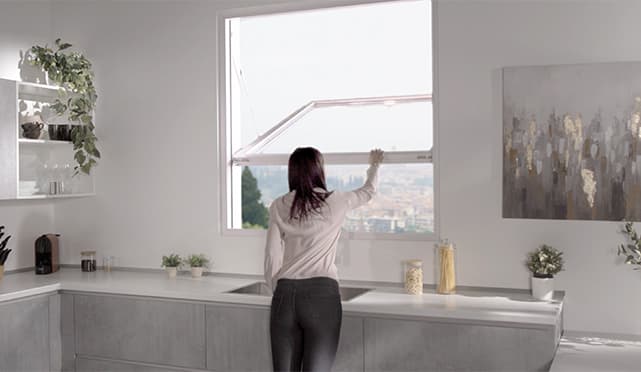
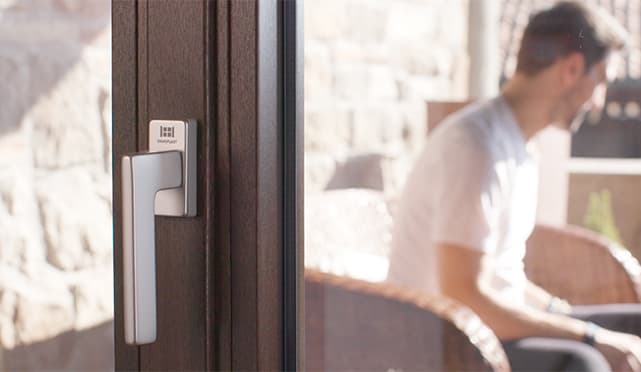
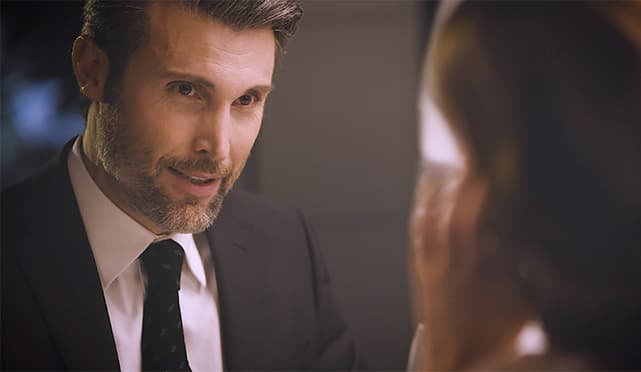
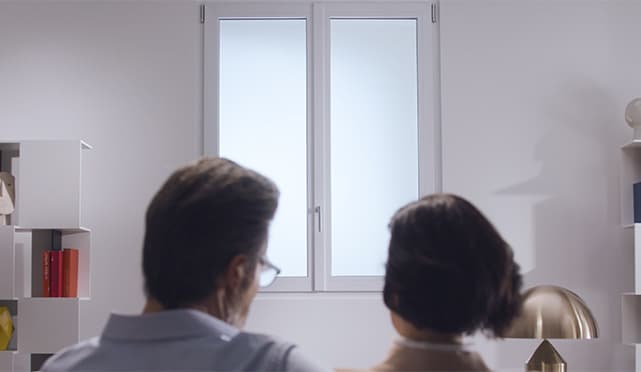


Whatever the final goal may be, every TV commercial must follow two essential rules to be truly effective:
- Originality
We are constantly bombarded by advertising—on TV, online, and on our smartphones. Most of the time, we ignore it. A successful commercial is one that manages to capture our attention with an original and creative idea. - Memorability
A good commercial leaves a lasting impression. In neurolinguistic terms, this is called "anchoring." When viewers later need a product or service, that mental connection is triggered, guiding them to choose the one they remember-specifically, the one they saw in that well-crafted ad.
Below, you’ll find the main steps of our TV commercial production process-an efficient and flexible workflow designed to deliver a final product tailored to your specific needs, including budget, delivery timeline, and target audience.
BRAINSTORMING WITH THE CLIENT
Brainstorming is a creative technique that involves both the video production team and the client. It’s based on the exchange of experiences, ideas, and suggestions, leading to the discovery of the creative concept that will form the foundation of the commercial message.
At Real Time, we prefer to organize this meeting directly at the client’s premises, in order to accommodate their schedule and better understand their world. Visiting offices and production sites allows us to fully absorb the company’s atmosphere and capture the values that should be conveyed to the audience-whether it's prestige locations, family heritage, advanced production processes, or the sustainability of the product and its manufacturing.
STORYBOARD FOR COMMERCIAL PRODUCTION
The storyboard-often referred to as a comic-strip-style script-is an essential tool for both the production team and the client. It allows the production crew to clearly understand what needs to be filmed and how, while giving the client a visual preview of the final result.
Each shot is illustrated with a detailed sketch that depicts the setting and character actions. Dialogue text, shot duration, and key technical details are also included-such as camera angles, framing, shot types, and camera movements-providing clear guidance for the director and cameraman.
Creating a well-structured storyboard helps streamline the entire production process and enables precise planning of production costs.
COMMERCIAL PRODUCTION: FROM SCRIPT TO SET
The production phase of a TV commercial involves filming on location. This location could be a film studio, a bustling city street, or even a remote desert oasis-any environment can work, depending on the message, the target audience, and the available budget.
Successfully managing this phase means addressing and solving multiple challenges, including:
- Logistics: Transporting equipment and crew to the filming site, even internationally or in remote areas, under any weather or environmental conditions.
- Legal aspects: Securing permits to shoot in tourist sites, train stations, airports, or public streets.
- Technical aspects: Using high-end equipment and techniques to capture top-quality footage on set, minimizing the need for costly corrections during post-production.
THE IMPORTANCE OF VIDEO EDITING IN COMMERCIAL PRODUCTION
The importance of video editing is often underestimated by those outside the industry. Many don't realize that legendary filmmakers like Hitchcock, Eisenstein, and Kurosawa were also the editors of their own films.
Video editing is far from a simple cut-and-paste job of visuals and audio. It must grab the viewer’s attention from the very first frame, clearly highlight the benefits of the advertised product, and end by leaving a lasting impression in the viewer’s memory.
CHOOSING THE RIGHT MUSIC FOR A COMMERCIAL
Selecting the right music for a commercial is essential to differentiate the client’s product from competitors. Studies have shown that music stimulates brain activity by triggering memory, much like a familiar taste or scent. This mechanism has been used effectively since the days of the old Carosello, when detergents, liqueurs, and snacks gained popularity through catchy tunes that audiences could instantly recognize-and often hum or whistle along with.
The musical accompaniment can be either a custom jingle created specifically for the spot or a pre-existing song or composition under copyright.
Our video production company works closely with musicians and composers capable of creating various types of advertising jingles: purely instrumental, spoken, sung, or a mix of these elements. The lyrics are carefully crafted as purchase facilitators, using keywords that act as stimuli to influence buying behavior for the advertised product or service.
Alternatively, we assist clients in selecting music tracks in the most appropriate genre-classical, rock, jazz, or folk-and in acquiring the necessary reproduction rights.
POST-PRODUCTION OF A TV COMMERCIAL
The post-production phase of a TV commercial marks the final step in the creation of the advertising film. It includes all necessary enhancements to correct audio and video and enrich communication-such as adding special effects.
We welcome the client’s direct involvement during this stage, and they are invited to join us in person at our production facilities to oversee the process.
Real Time is equipped with state-of-the-art post-production hardware, allowing us to independently manage every aspect of the audiovisual process, including:
- Compositing
- Editing
- 2D and 3D special effects
- Color correction
- Audio processing
- Music scoring and sound design
- Voice-over recording
- Final mastering
Frequently Asked Questions
An advertising commercial is a short video designed to persuade. Its purpose is not simply to communicate information, but to encourage viewers to take a specific action. Companies use commercials to promote the purchase of products and services, while institutions and organisations may use them to raise awareness of social or environmental issues, as well as for political, electoral and referendum campaigns.
A commercial is short, persuasive and designed to achieve a direct marketing objective, with strict duration requirements related to television scheduling. A corporate video is generally longer and focuses on communicating the company’s story and values. It is viewed in contexts where the audience has more time and attention, such as corporate websites, trade shows, sales presentations and institutional communications. A commercial persuades; a corporate video tells a story.
Two elements are essential. The first is originality: we are constantly exposed to advertising and our instinctive reaction is often to ignore it, so only a creative and unexpected idea can truly capture attention. The second is memorability: a commercial must leave a lasting impression in the viewer’s mind, creating what neurolinguistics refers to as an anchor. When the viewer later needs that particular product or service, the memory of the commercial can be reactivated and influence their choice.
The process consists of six main stages. Brainstorming with the client is used to develop the creative idea. The storyboard then translates that idea into a sequence of illustrated shots. Filming takes place on set, in a studio or on location. Editing establishes the narrative rhythm. The soundtrack is selected, either through an original jingle or an existing music track. Finally, post-production includes audio and video correction, special effects and final mastering.
A storyboard is essentially a visual screenplay: each shot is represented by an illustration describing the setting and the characters’ actions, together with dialogue, scene duration and technical instructions for the director and camera operator, such as camera angle, shot size and camera movements. It allows the client to preview the final result and enables the production team to plan the project and its costs accurately before filming begins.
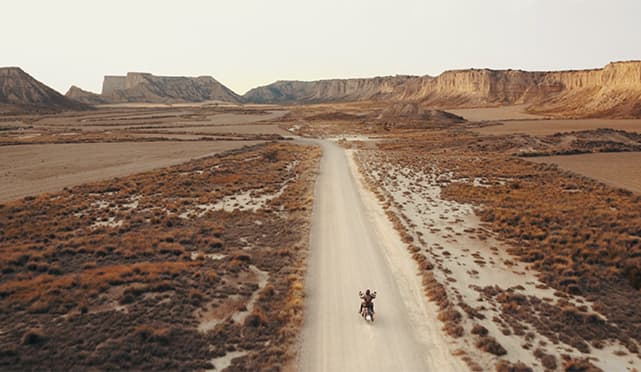
The average production cost of a TV commercial is around €25,000, although the actual range can vary considerably depending on a few key factors. In our experience, we have produced low-budget commercials for around €8,000, such as the Sirfa commercial, where the location and actress were provided by the client. When these costs do not have to be covered by the production, the overall budget can be significantly reduced. At the other end of the scale, the Wanted Zin commercial for Orion Wines reached €90,000 because it involved taking the crew to Spain and working with a large number of actors and extras. The factors that have the greatest impact on cost are therefore the number of filming days, locations and crew travel, the size of the cast, whether an original jingle or library music is used, the amount of special effects and 3D animation required, and the number of versions and edits requested. The production budget does not include the purchase of television airtime, which remains the client’s responsibility.
No. The production budget covers the creation of the commercial, including concept development, filming, editing, music and post-production. The purchase of airtime from television broadcasters, known as media planning, is always a separate cost and is normally managed directly by the client, either through its media agency or directly with advertising sales companies. Production and media planning are two separate budgets.
Media planning is separate from production and today can be more affordable than many companies expect. Local television advertising can start from approximately €50 per airing, while national broadcasters can reach around €500 per airing. The actual cost depends on the time slot, programme, time of year and number of airtime slots purchased. Advertising sales companies generally work with packages, meaning that the cost per airing decreases as the volume of the campaign increases. Airtime can be purchased directly from advertising sales companies or through a media agency and remains the client’s responsibility.
Despite the growth of digital advertising, television still accounts for approximately 40% of the Italian advertising market, at levels above the pre-pandemic period. As online audiences become increasingly fragmented, television remains the medium with the greatest ability to reach a large, non-segmented audience simultaneously. Achieving the same reach through social media often requires multiple formats and greater media investment. Today’s advertising packages also make television accessible to more limited budgets, while the same commercial produced for TV can subsequently be reused across social media, websites and other corporate channels, extending the value of the investment throughout the company’s communication ecosystem.
It depends on the objective. An original jingle helps differentiate the product from its competitors and can incorporate carefully selected keywords designed to support brand recall and purchase intent. We create original jingles with musicians and composers in instrumental, spoken, sung or mixed formats. An existing track, on the other hand, already carries a certain imagery and emotional association for the audience, but requires the acquisition of reproduction and advertising rights, a process in which we can provide assistance.
Yes, but the appropriate reproduction and advertising rights must be obtained. The cost and duration of the licence depend on the popularity of the song, the planned distribution channels and the territories in which the commercial will be used. We provide assistance both in selecting the musical style best suited to the message and in negotiating the necessary rights with the relevant rights holders. Alternatively, we can create an original jingle, which avoids third-party licensing issues and can be owned exclusively by the client.
This is one of the areas where we see some of the most costly mistakes. Every music track used in a video, whether free or paid, should have documented licensing rights granted to the party using it. Platforms offering free music may operate under agreements with record labels or rights holders; if those agreements expire or are withdrawn, anyone who used the track without their own valid licence may subsequently be exposed to claims, even years later.
One of our clients experienced exactly this situation. A video we had originally produced using a properly licensed track was later modified by another supplier, who replaced the music with a track downloaded from a free online platform and uploaded the new version to YouTube. The platform’s content-recognition system identified the use and notified the US-based author. Two years later, the client was contacted by an Italian lawyer and received a claim for €9,000 in licensing fees, together with the possibility of further legal consequences. The client ultimately had to pay. For this reason, all music used in our productions is accompanied by traceable licensing documentation, and the same level of care should be maintained whenever a video is subsequently modified.
No. Food supplements are classified as food products rather than medicines, and advertising aimed at the general public does not require prior authorisation from the Italian Ministry of Health, unlike advertising for medicines and medical devices. However, strict rules still apply to the content: only nutrition and health claims authorised at European level may be used, and a food supplement may never be presented as having therapeutic properties or as being able to prevent or cure diseases. Controls may subsequently be carried out by the Ministry of Health, the Italian Competition Authority and the Italian Advertising Standards Authority. During the brainstorming phase, we work together with the client and its regulatory consultants to develop a message that is both effective and compliant.
Managing legal and administrative requirements is part of the production process. We take care of obtaining the necessary permits for filming at tourist sites, inside railway stations or airports, and on public streets and other urban locations. We can also manage the logistics required for equipment and personnel, including productions abroad and in remote locations.
Our headquarters are in Milan, and we operate throughout Italy and Italian-speaking Switzerland. We have produced TV commercials in Rome, Turin, Bologna, Florence, Naples, Palermo and Verona, as well as in more than sixty Italian provinces and in cities including Lugano, Mendrisio, Locarno, Bellinzona and Zurich. We also carry out productions abroad, such as the Wanted Zin commercial, which was filmed in Spain.
Standard television advertising formats are 15, 20 and 30 seconds, with shorter 7- or 10-second versions often used as reminders or cut-downs. Longer versions and vertical formats are also commonly produced for social media and websites.
From the initial brainstorming session to delivery of the final master, production takes an average of X weeks. Filming usually takes between one and two days. The most variable stages are the client’s approval of the storyboard and the post-production phase, particularly when special effects are required.
Yes, and this is an important part of the value of the investment. Producing a commercial can benefit the company’s entire communication ecosystem because, in addition to television, the content can also be adapted and distributed across social media, the corporate website and other company channels.
QUOTE? INFORMATION?
Real Time Group – Professional TV Commercial Production in Milan and throughout Italy.
Partner with us to transform your vision into impactful, high-quality content.
We’ve produced TV commercials across nearly all of Italy and Switzerland.
Alessandria - Ancona - Aosta - L'Aquila - Arezzo - Belluno - Bergamo - Biella - Bologna - Bolzano - Brescia - Catania - Chieti - Como - Cremona - Cuneo - Ferrara - Firenze - Frosinone - Genova - Grosseto - LaSpezia - Lecco - Livorno - Lodi - Lucca - Mantova - Matera - Messina - Milano - Modena - Monza - Napoli - Novara - Nuoro - Oristano - Padova - Palermo - Parma - Pavia - Perugia - Pescara - Piacenza - Pisa - Pistoia - Pordenone - Potenza - Ravenna - Reggio Emilia - Rimini - Roma - Sassari - Savona - Siena - Siracusa - Sondrio - Taranto - Torino - Trento - Treviso - Trieste - Udine - Varese- Venezia - Vercelli - Verona - Vicenza – Viterbo - Mendrisio – Lugano – Locarno – Bellinzona, Zurigo.